VIVA SCENE: PARACETAMOL Vs MORPHINE CENTRAL MOA

PARACETAMOL:

Central action via COX 3 inhibition which is associated with decreased brain PGE2 levels. It also modulates endogenous cannabinoid system

MORPHINE:

Morphine work by stimulating presynaptic Gi-protein-coupled MOP and KOP opioid receptors. Binding of the ligand causes the following events:

> Closure of voltage-gated Ca2+ channels

> Decreased cAMP production

> Stimulation of K+ efflux from the cell

> Hyperpolarisation of the cell membrane.

> This leads to decreased excitability of the cell and therefore decreased neurotransmitter release and pain transmission

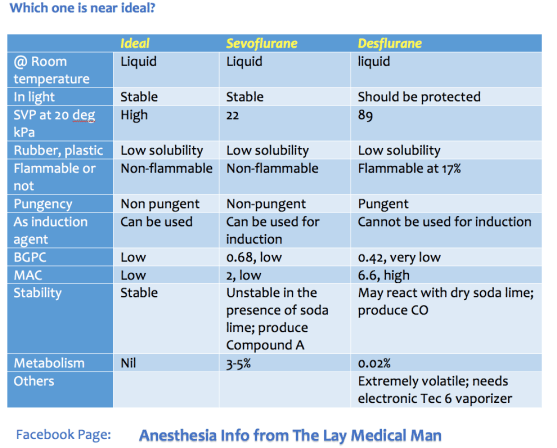
VIVA SCENE: Ideal Inhalational Agent

Screen Shot 2019-09-05 at 7.20.43 pm

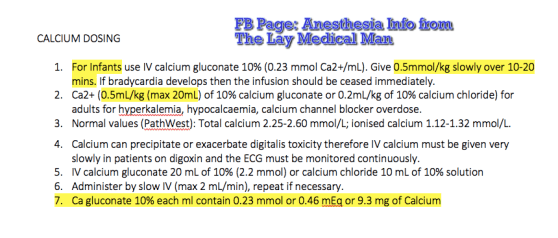
Calcium Gluconate/ Calcium chloride dosing

Screen Shot 2019-08-11 at 3.37.51 pm

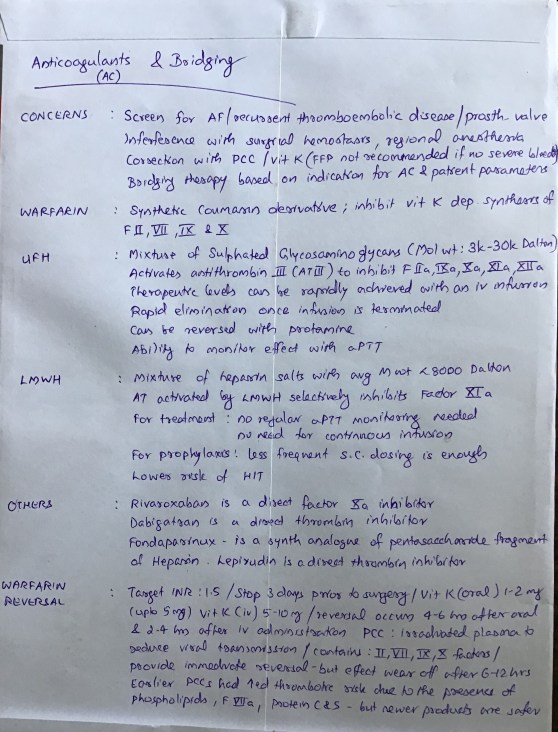
ANTICOAGULANTS AND BRIDGING

N.B. Corrections:

LMWH inhibits factor Xa (Not XIa)

REMIMAZOLAM: IMPORTANT POINTS

  • Its an ultra-short acting benzodiazepine that is currently under investigation in phase II and III clinical trials.
  • It is metabolized by tissue esterases in the blood to its inactive metabolite, carboxylic acid, which allows for rapid removal of the drug even with its use in prolonged infusions.
  • Remimazolam is eliminated by first-order pharmacokinetics, therefore with prolonged infusions or high doses, there is no problem with drug or metabolite accumulation .
  • It has been evaluated as a premedication drug prior to anesthesia; however due to its very short duration of action and the fact that it is not available as an oral formulation limits its use in this clinical situation.
  • It has been most studied as a drug for use in procedural sedation. It has been studied widely in sedation for endoscopic procedures like colonoscopies. Studies have shown doses of 0.1-0.2 mg/kg were effective sedative doses for patients undergoing endoscopic procedures. It allows for a faster onset and recover time when compared with midazolam. There is limited incidence of respiratory depression and it canability to be reversed with flumazenil without resedation
  • It is also currently being studied as a general anesthetic, using induction doses of 6 and 12 mg/kg/h and maintenance rates of 1 mg/kg/h.
  • Because its metabolism is organ-independent, it also has been evaluated for use as a sedative agent in the ICU setting. Its ultra-short acting nature would also make it an ideal agent to allow for neurological evaluation very soon after an infusion has been stopped .
  • The safety profile of remimazolam has been shown to be favorable overall, demonstrating less vasopressor use compared with patients sedated with propofol

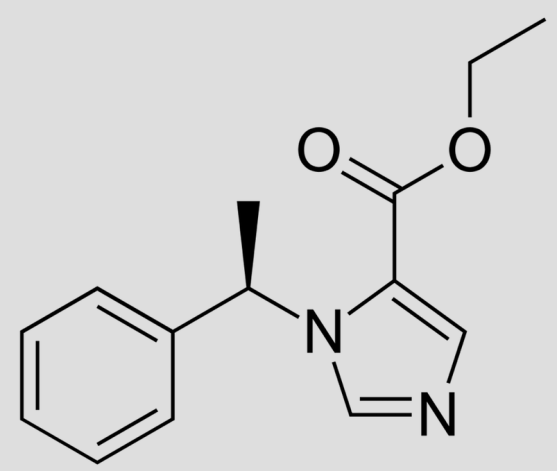
ETOMIDATE- BAD ‘WOW’ FACTORS

  • While it continues to be used infrequently in the UK it has been withdrawn in North America and Australia
  • The most notable and potentially serious side effect of etomidate administration is the suppression of adrenocortical steroid synthesis.
  • It suppresses adrenocortical function by inhibition of the enzymes 11-hydroxylase and 17-hydroxylase, resulting in inhibition of cortisol and aldosterone synthesis.

  • After a single bolus dose of etomidate, this adrenocortical suppression lasts approximately 6 h in healthy individuals. However in the critically ill, such suppression can last for days. In other words the situation in which it has the best cardiovascular proile is the unwell patient in whom the consequences of steroid inhibition are likely to be the most detrimental.
  • Etomidate is approximately 100-fold more potent a suppressor of adrenocortical function than it is a sedative-hypnotic. Consequently, an anesthetic
  • induction dose of etomidate represents a massive overdose with respect to its ability to suppress adrenocortical function. And etomidate s terminal elimination half-life is rather long. Thus, after just a single anesthetic induction dose of etomidate, many hours must pass before etomidate s concentration in the blood falls below that which suppresses adrenocortical steroid synthesis.

  • It is within this mechanistic context that the strategy emerged to design analogues of etomidate

  • ANALOGUES:
  • MOC-etomidate [ relatively low potency and very rapid metabolism (1.) required the administration of extremely large doses]
  • CPMM etomidate [ it has an onset and offset of hypnotic action that are fast (1.) ]
  • Carbo etomidate [ less adrenocortical inhibition (2.)]
  • MOC-carboetomidate [ combines properties (1) and (2); but it’s potency
  • is very low which means that extremely large doses would need to be administered to maintain anesthesia ]

  • Involuntary movements (myoclonus) are commonly observed after etomidate administration, with some studies reporting an incidence as high as 80 % in unpremedicated patients

  • It has been suggested that it occurs because etomidate depresses inhibitory neural circuits in the central nervous system sooner and at lower concentrations than excitatory circuits.
  • Regardless of the mechanism, myoclonus can be significantly reduced or completely prevented by administering a variety of drugs with central nervous system depressant effects including opiates, benzodiazepines, dexmedetomidine, thiopental, lidocaine, and magnesium.

  • Pain at the injection site is another common side effect and its incidence is highly dependent upon the size of the vein into which it is injected and the formulation that is used.

  • Lipid emulsion and cyclodextrin formulations may reduce TRP channel activation, leading to less pain on injection

  • Postoperative nausea and vomiting is common with reported incidences as high as 40 %. It has been suggested that the emetogenic trigger in etomidate is the propylene glycol solvent and not the anesthetic itself.

  • Reference: Ref: Pharmacology for Anaesthesia and Intensive Care, Peck and Hill, 4/e, p:105, Total Intravenous Anesthesia and Target Controlled Infusions, A comprehensive global anthology, Anthony R Absalom

  • Screen Shot 2018-10-02 at 9.11.39 PM

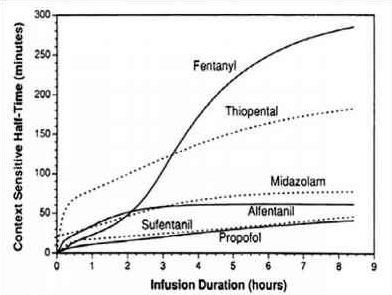
CONTEXT SENSITIVE HALF TIME [CSHT]

Screen Shot 2018-09-21 at 11.24.29 AM

  • Context sensitive half-time is deined as the time for the plasma concentration to fall to half of the value at the time of stopping an infusion

  • The half time will usually alter in the setting of varying durations  of drug infusion

  • The higher the ratio of distribution clearance to clearance due to elimination, the greater the range for context-sensitive half-time
  • The longest possible context-sensitive half-time is seen when the infusion has reached steady state, when there is no transfer between compartments and input rate is the same as elimination rate
  •  Draw and label the axes; draw the curve for the drug with the shortest CSHT first before plotting the others
  • REMIFENTANIL: Here the elimination always dominates distribution and so there is very little variation in CSHT with time and so it is context insensitive. Draw a straight line starting from the origin and becoming near horizontal after the CSHT reaches 5 min. This demonstrates that the half time is not dependent on the length of infusion as clearance by plasma esterases is so rapid. For remifentanil the

    longest possible CSHT is only 8 minutes

  • PROPOFOL: For propofol the clearance due to elimination is similar to that for distribution into the second compartment, so plasma concentration falls rapidly after a propofol infusion mainly due to rapid elimination with a smaller contribution from distribution. Propofol is not context insensitive as its CSHT continues to rise; however it remains short even after prolonged infusions. Starting at the origin, draw a smooth curve rising steadily towards a CSHT of around 40 min after 8 h of infusion.
  • ALFENTANIL: The curve rises from the origin until reaching a CSHT of 50 min

    at around 2 h of infusion. Thereafter the curve becomes horizontal. This shows that alfentanil is also context insensitive for infusion durations of 2 h or longer

  • THIOPENTONE SODIUM: The curve begins at the origin but rises more steeply than the others so that the CSHT is 50 min after only 30 min infusion duration. The

    curve should be drawn like a slightly slurred build-up exponential reaching a CSHT of 150 min after 8 h of infusion. As the CSHT continues to rise, thiopental does not become context insensitive

  • FENTANYLThe most complex curve begins at the origin and is sigmoid in shape. It should cross the alfentanil line at 2 h duration and rise to a CSHT of 250 min after 6 h of infusion. Again, as the CSHT continues to rise, fentanyl does not become context insensitive.

  • The maximum possible CSHT for propofol is about 20 minutes, compared with 300 minutes for fentanyl

  • It is important to realize that the CSHT does not predict the time to patient awakening but simply the time until the plasma concentration of a drug has fallen by half. The patient may need the plasma concentration to fall by 75% in order to awaken, and the time taken for this or any other percentage fall to occur is known as a decrement time.

  • Decrement time: The time taken for the plasma concentration of a drug to fall to the specified percentage of its former value after the cessation of an infusion designed to maintain a steady plasma concentration (time). The CSHT is, therefore, a form of decrement time when the specified percentage’ is 50%.

  • Although the CSHT for propofol has a maximum value of about 20 minutes, during long, stimulating surgery infusion rates will have been high and the plasma concentration when wake-up is required may be very much less than half the plasma concentration at the end of the infusion. Thus time to awakening using propofol alone may be much longer than the CSHT. This is why the TCI pumps display a decrement time rather than a CSHT.

  • When using propofol infusions, the decrement time is commonly quoted as the time taken to reach a plasma level of 1.2 μ g.ml1 , as this is the level at which wake up is thought likely to occur in the absence of any other sedative agents.

  • It must be remembered that after one CSHT, the next period of time required for plasma concentration to halve again is likely to be much longer. This relects the increasing importance of the slower redistribution and metabolism phases that predominate after re-distribution has taken place. This explains the emphasis on half-time rather than halflife: half-lives are constant whereas half-times are not!

ANTIPSEUDOMONAL AGENTS

A 70 year-old female is intubated 5 days after hospital admission for hypoxemic respiratory failure after a witnessed aspiration event. Prior to admission, the patient lived in a nursing home, and recently was treated for left leg cellulitis with a short course of intravenous antibiotics. Her medications include metoprolol, metformin, glyburide, atorvastatin, and baby aspirin. Three days after intubation, the patient is noted to have a temperature of 102.5 °F, a blood pressure of 70/50 mmHg, a white blood cell count of 20.0 × 10⁹/L, with purulent secretions suctioned from the endotracheal tube. You decide to initiate antibiotic therapy. Which of the following is the best antibiotic regimen to initiate at this time?

A. Ceftriaxone and ertapenem

B. Imipenem, levofloxacin and vancomycin

C. Meropenem, cefepime, and piperacillin-tazobactam

D. Cefepime and daptomycin

E. Ceftriaxone and azithromycin

Answer: Yes its B!

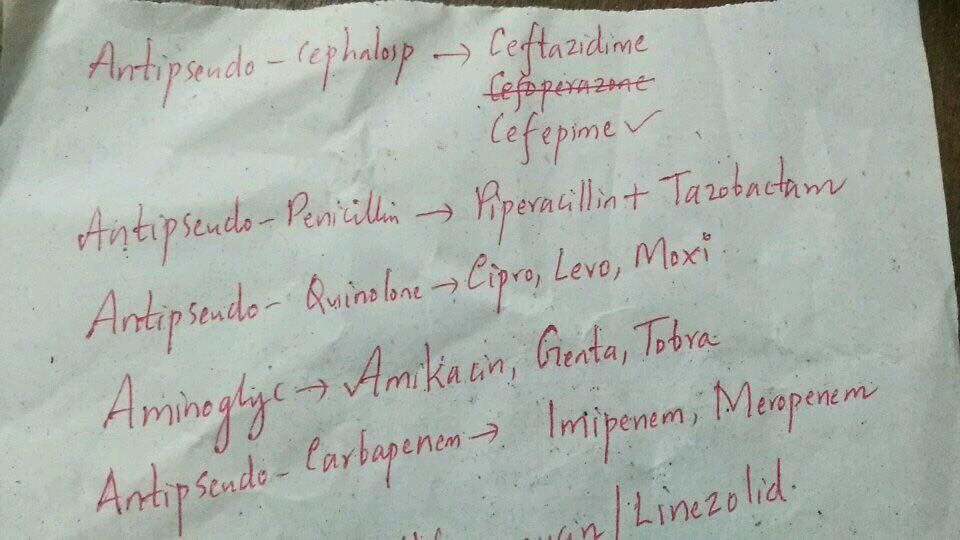
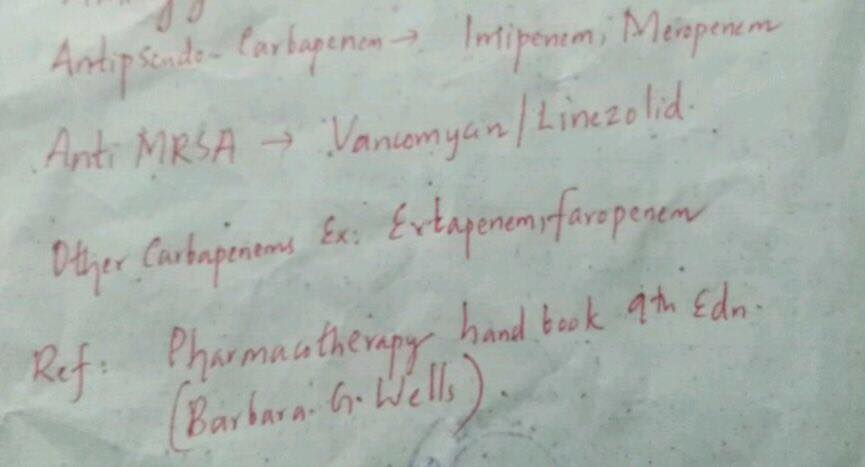
Healthcare associated infections are almost routine in today’s critical care units, and the increasing rates of multi-drug resistant (MDR) organisms is taking a toll on our clinical and economic systems. Ventilator associated pneumonia (VAP) is a subtype of healthcare associated infection, and is defined by the diagnosis of clinical pneumonia 48–72 h after intubation. Duration of mechanical ventilation, antibiotic use history, geography, co-morbidities, and the epidemiology of the ICU population all determine the etiology of a nosocomial pneumonia. Aerobic gram negative bacilli are the most common pathogens causing VAP. These include Klebsiella, Escherichia coli, Pseudomonas, Acinetobacter, Stenotrophomonas, Enterobacter, Citrobacter, Proteus, and Serratia species. Pseudomonas is the most prevalent pathogen recovered in VAP. With the emergence of MDR organisms, Methicillin resistant Staphylococcus aureus (MRSA) is also an important etiology of VAP, as well as anaerobes such as Bacteroides species. Community acquired pathogens, including Streptococcus and Haemophilus species are less likely to cause VAP. The antibiotic regimen that should be initiated depends on the suspicion that a patient harbors MDR pathogens. Usually, if a patient is hospitalized for more than 5 days, the possibility of MDR pathogens is high, particularly if a patient has been on intravenous antibiotic therapy recently. The first line treatment would include an antipseudomonal cephalosporin or an antipseudomonal carbapenem or an antipseudomonal penicillin with Beta lactamase inhibitor, plus an antipseudomonal fluoroquinolone or aminoglycoside, plus an anti-MRSA agent . Azithromycin should be considered for atypical coverage if Legionella is high on the differential and in severely ill patients. If an MDR pathogen is not suspected, a third-generation cephalosporin or respiratory fluoroquinolone or non-antipseudomonal carbapenem should be considered. Daptomycin is not appropriate to use for pulmonary infections, as it is inactivated by surfactant.

See the pictures for examples of these drug categories

37737577_1877901745578971_2212098029354221568_n

37731262_1877901735578972_4224498105422184448_n

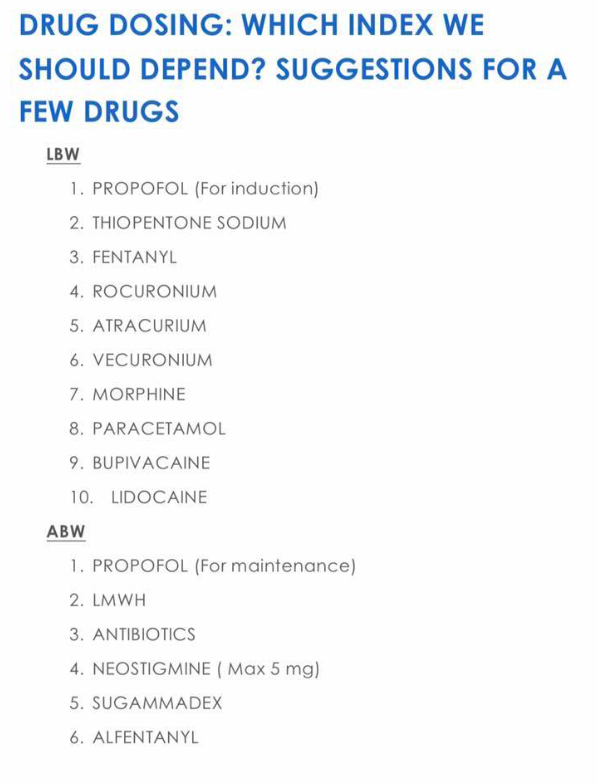
TOTAL BODY WEIGHT [TBW] , LEAN BODY WEIGHT [LBW], IDEAL BODY WEIGHT [IBW] &ADJUSTED BODY WEIGHT ; THEIR IMPLICATIONS IN Anesthesia AND CriticalCare

Drug administration in obese patients is difficult because recommended doses are based on pharmacokinetic data obtained from individuals with normal weights

With increasing obesity, fat mass accounts for an increasing amount of TBW, and the LBW/TBW ratio decreases

TBW is defined as the actual weight

IBW is what the patient should weigh with a normal ratio of lean to fat mass

IBW can be estimated from the formula: IBW (kg) = Height(cm) − x ( where x = 100 for adult males and 105 for adult females).

LBW is the patient’s weight , excluding fat

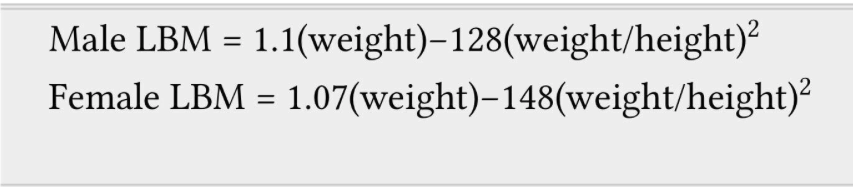
Male LBW = 1.1(weight)-128(weight/height)^2 (Weight in Kg and Height in cm)

Female LBW = 1.07 (weight) -148 (weight/height)^2

Regardless of total body weight, lean body weight rarely exceeds 100 kg in men and 70 kg in women

Below IBW, TBW and LBW are similar.

Adjusted body weight (ABW) Takes into account the fact that obese individuals have increased lean body mass and an increased volume of distribution for drugs.

It is calculated by adding 40% of the excess weight to the IBW : ABW (kg) = IBW (kg) + 0.4 [TBW (kg)]

Drugs with weak or moderate lipophilicity can be dosed on the basis of IBW or more accurately on LBW. These values are not same in obese; because 20–40% of an obese patient’s increase in TBW can be attributed to an increase in LBW. Adding 20% to the ‘estimated IBW based dose’ of hydrophilic medication is sufficient to include the extra lean mass. Non-depolarizing neuromuscular blocking drugs can be dosed in this manner.

In morbidly obese patients, the induction dose of propofol can be calculated on IBW.

In case of midazolam, prolonged sedation can occur from the larger initial dose needed to achieve adequate serum concentrations. #TheLayMedicalMan

Remifentanil dosing regimens should be based on IBW or LBW and not on TBW.

When using succinylcholine in obese adults or adolescents, dosage should be calculated on TBW

The antagonism time of neostigmine has been shown to be independent of TBW and BMI. Therefore, TBW can be used to calculate the dose.

Ref:Association of Anaesthetists of Great Britain and Ireland. Peri-operative management of the obese surgical patient 2015. Anaesthesia 2015, 70, pages 859–876.
Screen Shot 2018-09-11 at 9.46.48 AMScreen Shot 2018-09-11 at 9.48.11 AM

SUGAMMADEX & DRUG INTERACTIONS

Sugammadex acts by forming a complex with steroidal Neuro Muscular Blocking Agents such as rocuronium and vecuronium and reduces their concentrations in the neuromuscular junction.

Because of its inert structure, direct drug interactions are rarely expected with sugammadex. Two types of drug interactions may occur with sugammadex by displacement or capturing.

Drugs interacting with sugammadex by displacement : toremifene, fusidic acid, and flucloxacillin, could potentially affect the efficacy of sugammadex due to rocuronium
or vecuronium being displaced from sugammadex.

Capturing interactions may occur if sugammadex binds with other drugs (i.e., hormonal contraceptives), and reduces their free plasma concentration. In addition, sugammadex might have decreased efficacy for rocuronium or vecuronium due to it binding with another drug.

Cyclodextrins have been reported to form inclusion complexes with other compounds.

In an in vitro experimental model of functionally innervated human muscle cells Rezonja et al. found that dexamethasone led to a dose-dependent inhibition of sugammadex reversal; but Ersel Gulec et al, who investigated the clinical relevance of the interaction between dexamethasone and sugammadex in humans failed to demonstrate any inhibitory effect of dexamethasone (0.5 mg/kg) on the reversal time of sugammadex in children.

N.B.(DO YOU KNOW?): It is clearly demonstrated that dexamethasone attenuates rocuronium-induced neuromuscular blockade when administered 2 to 3 hours before the induction of anesthesia; but not when dexamethasone is given at induction

Reference: The Effect of Intravenous Dexamethasone on Sugammadex Reversal Time in Children Undergoing Adenotonsillectomy; Ersel Gulec, Ebru Biricik, Mediha Turktan, Zehra Hatipoglu and Hakki Unlugenc, April 2016 • Volume 122 • Number 4, anesthesia-analgesia